
Dangerous Tree Warning Signs: The Complete Central Coast Homeowner's Guide to Knowing When a Tree Needs Professional Attention

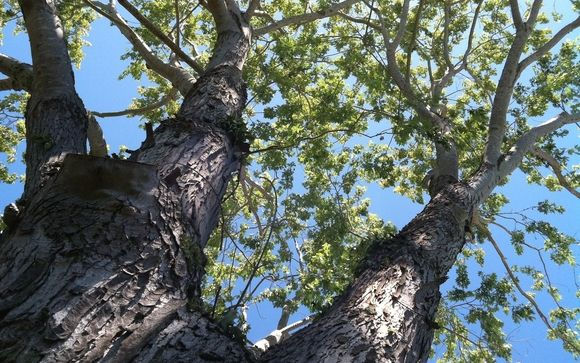
Trees are one of the greatest assets a property can have. They provide shade during hot California summers, improve curb appeal, increase property value, reduce erosion, create wildlife habitat, and make neighborhoods throughout Santa Cruz, Monterey, Santa Clara, and San Benito Counties more beautiful places to live.
But even the healthiest-looking tree can become dangerous under the right conditions.
Every year, homeowners across California experience property damage caused by falling trees and large limbs. Winter storms, prolonged drought, disease, aging, high winds, saturated soil, and even improper pruning can weaken a tree's structural integrity long before obvious warning signs appear.
The good news is that most hazardous trees don't fail without warning.
By learning how to recognize the early signs of structural weakness or declining health, homeowners can often prevent costly damage, protect their families, and preserve healthy trees through timely maintenance.
Whether you own a home nestled among the redwoods in Santa Cruz, manage acreage in San Benito County, or care for mature oaks and Monterey pines along the coast, understanding what to look for is the first step toward keeping your property safe.
In this comprehensive guide, you'll learn:
The most common reasons trees become hazardous
How to identify early warning signs before failure occurs
Which tree species on California's Central Coast require extra attention
When pruning may solve the problem—and when removal is the safest option
What to do after storms or high winds
How professional tree inspections can help prevent emergencies
Why Trees Become Dangerous
Trees are remarkably resilient. Many can withstand decades—or even centuries—of changing weather, drought, insects, and human activity. However, no tree is immune to stress.
Hazardous trees rarely become dangerous overnight. In most cases, they decline gradually as multiple factors weaken their structural stability over time.
Understanding these factors can help homeowners recognize problems early, before they lead to expensive property damage or emergency tree removal.
1. Age and Natural Decline
Like all living organisms, trees have a natural lifespan.
As trees mature, they often experience:
Slower growth
Larger dead branches
Reduced ability to heal wounds
Increased susceptibility to decay
Structural fatigue
This doesn't mean every old tree is dangerous. In fact, many mature oaks and redwoods throughout the Central Coast remain healthy for generations.
The key difference is regular monitoring.
Older trees benefit from periodic inspections to identify hidden decay, weak branch unions, or structural issues before they become serious hazards.
2. California's Changing Climate
The Central Coast experiences unique environmental conditions that place tremendous stress on trees.
Local trees must cope with:
Extended summer droughts
Heavy winter rainfall
Strong coastal winds
Salt exposure near the ocean
Heat waves
Sudden temperature swings
One particularly common issue occurs after prolonged drought.
Trees weakened by years of limited water may appear healthy but develop brittle wood, declining root systems, or internal decay that isn't immediately visible.
Then, when heavy winter storms saturate the soil, those weakened roots may no longer be able to support the tree's weight.
This combination of drought followed by intense rainfall has become one of the leading contributors to tree failures throughout California.
3. Storm Damage
Winter storms are responsible for many emergency tree removals throughout Santa Cruz, Monterey, Santa Clara, and San Benito Counties.
High winds place tremendous stress on trunks, limbs, and root systems.
Storm damage may include:
Broken branches
Split trunks
Hanging limbs
Uprooted trees
Hidden internal fractures
Sometimes damage is obvious.
Other times, a tree survives the storm only to fail months later because unseen structural damage weakened its ability to withstand future weather events.
This is why professional inspections after major storms are often recommended—even if your tree still appears healthy.
4. Disease and Decay
One of the most dangerous aspects of tree disease is that it often progresses silently.
A tree may continue producing leaves while internal decay slowly weakens the trunk or root system.
Common problems affecting trees on California's Central Coast include:
Root rot
Fungal infections
Heart rot
Sudden Oak Death
Pitch Canker
Bacterial diseases
By the time symptoms become obvious, structural damage may already be significant.
Early diagnosis can sometimes save the tree, but delaying treatment often leads to more extensive damage and higher removal costs.
5. Poor Pruning Practices
Improper pruning is one of the most preventable causes of hazardous trees.
Unfortunately, many homeowners—or inexperienced contractors—remove large branches without considering how those cuts affect the tree's long-term health.
Common mistakes include:
Topping trees
Removing too much foliage
Leaving large wounds
Cutting branch collars incorrectly
Creating unbalanced canopies
These practices increase stress, encourage decay, and often stimulate weak, fast-growing shoots that are more likely to break during future storms.
Proper structural pruning helps trees grow stronger—not weaker. To learn more or get a quote for a pruning project click the link here.
6. Construction Damage
Tree roots often extend two to three times wider than the canopy.
Construction projects frequently damage these roots through:
Excavation
Soil compaction
Driveway installation
Utility trenching
Heavy equipment
Because much of this damage occurs underground, homeowners may not realize a tree has been compromised until years later.
A tree with a severely damaged root system may suddenly lean or fail despite appearing perfectly healthy above ground.
12 Warning Signs Your Tree May Be Unsafe
Many hazardous trees exhibit warning signs well before they fail. Learning to recognize these symptoms can help you address problems early, protect your property, and potentially save the tree.
Below are the first four warning signs every homeowner should know.
1. Large Dead Branches Throughout the Canopy
One dead branch isn't necessarily a reason for concern.
Trees naturally shed small limbs as they grow.
However, multiple dead branches—especially large ones high in the canopy—are often an indication that portions of the tree are no longer receiving adequate nutrients or water.
These dead limbs, sometimes called "widowmakers," can fall without warning, even on calm days.
Large dead branches may:
Damage roofs
Crush vehicles
Break fences
Injure people
Damage neighboring property
On mature oaks and eucalyptus trees, dead limbs can weigh several hundred pounds.
What Causes Dead Branches?
Several conditions can lead to branch dieback:
Disease
Root damage
Drought stress
Insect infestation
Aging
Competition within the canopy
While selective pruning may safely remove isolated dead limbs, widespread dieback often indicates a more serious issue affecting the entire tree.
When Should You Call a Professional?
If dead branches are:
Larger than 4–6 inches in diameter
Hanging over your home
Located above driveways or walkways
High in the canopy
Increasing every year
....it's time to schedule a professional inspection. Call or text us now at (831) 428-9209 for your free inspection and quote. Don't wait until the storm season.
Ignoring dead limbs only increases the risk of unexpected branch failure during storms or high winds.
2. Your Tree Has Started Leaning
A leaning tree immediately catches most homeowners' attention—but not every leaning tree is dangerous.
Many species naturally develop a slight lean as they grow toward sunlight.
The real concern is change.
If a tree that once stood upright suddenly begins leaning, the problem may involve root failure, soil movement, or structural instability.
Warning Signs That Accompany a Dangerous Lean
Watch for:
Fresh cracks in the ground
Raised soil around the base
Newly exposed roots
Separation between roots and soil
Leaning after a storm
Increased lean over time
These symptoms often indicate that the root system is beginning to fail.
Why Leaning Trees Become Dangerous
The roots act as the tree's anchor.
Once enough structural roots fail, the remaining roots may no longer support thousands of pounds of weight.
Failure can happen gradually—or suddenly during the next heavy rain or wind event.
Trees leaning toward homes, garages, fences, roads, or power lines deserve immediate attention.
3. Cracks or Splits in the Trunk
Healthy tree trunks are incredibly strong.
Deep vertical cracks, splitting bark, or open seams in the trunk often indicate that the tree is under severe stress.
These defects commonly develop after:
Lightning strikes
Windstorms
Heavy snow or ice (rare but possible at higher elevations)
Internal decay
Structural weakness
Previous storm damage
Some cracks affect only the bark.
Others extend deep into the structural wood.
Only a close inspection can determine how serious the damage truly is.
Signs a Crack May Be Dangerous
Look for:
Fresh wood exposed inside the crack
Sap leaking from the wound
Large vertical splits
Cracks extending into major limbs
Multiple cracks forming around the trunk
These conditions significantly increase the likelihood of structural failure.
4. Mushrooms Growing Around the Base of the Tree
Mushrooms are often overlooked because they seem harmless.
However, they can be one of the clearest indicators that decay is occurring beneath the surface.
Fungi feed on decaying wood.
When mushrooms appear around the trunk or root flare, they often signal that parts of the root system or lower trunk are decomposing.
Does Every Mushroom Mean the Tree Is Dying?
No. Some fungi grow harmlessly in mulch or nearby soil.
The concern arises when mushrooms consistently emerge:
Directly against the trunk
Around exposed roots
From cavities in the tree
In repeated clusters year after year
These situations frequently indicate internal decay that cannot be seen from the outside.
Why Root Rot Is So Dangerous
A tree may continue producing a full canopy of leaves while its root system slowly deteriorates underground.
Eventually, the roots can no longer support the weight of the tree.
This type of hidden decay is one of the reasons seemingly healthy trees sometimes topple unexpectedly during winter storms.
If you notice persistent fungal growth around a mature tree, it's wise to have it professionally evaluated before the next storm season.
5. A Hollow Trunk or Large Cavities
Many homeowners assume that a hollow tree is automatically dangerous. While cavities should never be ignored, the reality is a little more nuanced.
Trees have an incredible ability to compartmentalize decay. A cavity may develop after a branch breaks, lightning strikes, or disease enters the trunk. In some cases, the tree continues to grow healthy wood around the damaged area for many years.
The concern is how much sound wood remains.
If decay has consumed a significant portion of the trunk, the tree may no longer have enough structural strength to support itself during high winds or winter storms.
Signs That a Hollow Tree May Be Unsafe
Watch for:
Large open cavities in the trunk
Soft or crumbling wood
Water collecting inside hollow areas
Extensive carpenter ant activity
Woodpecker holes concentrated in one area
Fungal growth inside cavities
A tree can appear healthy from the outside while losing much of its internal strength. That's why visual inspections alone don't always tell the whole story.
Can a Hollow Tree Be Saved?
Sometimes.
If the cavity is small and surrounded by strong, healthy wood, regular monitoring and selective pruning may be all that's needed.
However, if the cavity compromises a large portion of the trunk or is located near a major structural union, removal may be the safest long-term option.
Every tree should be evaluated individually.
6. Bark Is Falling Off or Missing
Healthy bark protects a tree much like skin protects the human body.
When bark begins falling away in large sections, it often indicates that something beneath the surface isn't right.
Possible causes include:
Disease
Internal decay
Sunscald
Insect damage
Root stress
Severe drought
Mechanical injury
While some species naturally shed bark as part of their growth cycle, large dead patches that expose bare wood deserve closer attention.
Warning Signs
Look for:
Loose bark peeling from the trunk
Large sections of exposed wood
Bark separating from the tree
Dark staining beneath missing bark
Dead branches above damaged areas
Because bark transports water and nutrients throughout the tree, widespread bark loss often signals declining health.
7. Roots Are Lifting, Damaging Property, or Becoming Exposed
Tree roots are often overlooked because most of their work happens below ground.
A healthy root system anchors the tree while absorbing water and nutrients. When roots become damaged or unstable, the entire tree becomes more vulnerable.
Homeowners frequently notice roots causing problems by lifting:
Sidewalks
Driveways
Patios
Retaining walls
Foundations
Irrigation systems
These issues aren't just cosmetic.
Root damage may indicate that the tree has outgrown its location or that important structural roots have been compromised.
Should You Cut Problematic Roots?
Usually not.
Removing large structural roots without understanding the tree's stability can significantly increase the risk of failure.
In many cases, a professional evaluation can determine whether root pruning, structural pruning, or complete removal is the safest solution.
8. Multiple Trunks Are Beginning to Separate
Many beautiful trees naturally develop multiple trunks.
However, when two large stems grow closely together, they sometimes form what's called an included bark union.
Instead of growing solid wood between the stems, bark becomes trapped between them.
As the tree grows larger, that bark prevents the trunks from forming a strong connection.
Eventually, the stems begin pushing away from one another.
Signs of a Weak Union
Look for:
A visible crack between trunks
Bark squeezed deep into the union
One trunk leaning away from the other
Recent movement after storms
Separation that increases over time
These trees often fail suddenly because the defect develops slowly over many years.
Can It Be Corrected?
Sometimes.
If caught early, structural pruning, cabling, or bracing may reduce stress on the union.
Once significant separation develops, however, removal of one stem—or occasionally the entire tree—may be necessary.
9. Large Branches Hanging Over Your Home
One of the most common reasons homeowners call Bears Tree Services Inc. isn't because a tree is dying—it's because healthy branches have simply become too large.
As trees mature, limbs naturally extend farther from the trunk.
Eventually they may hang over:
Homes
Garages
Driveways
Children's play areas
Outdoor patios
Swimming pools
Even healthy branches can fail.
Wind, heavy rain, excessive weight, hidden decay, or previous storm damage may all contribute to branch failure.
Reducing Risk Without Removing the Tree
Fortunately, removal isn't always necessary.
Professional pruning techniques such as crown reduction and end-weight reduction can decrease stress on heavy limbs while preserving the tree's natural appearance.
Rather than removing large sections indiscriminately, these techniques carefully reduce weight where it's most effective.
Proper pruning can improve both safety and long-term tree health.
10. The Tree Has Lost Most of Its Leaves
A healthy tree should produce a full canopy appropriate for its species and the season.
If large sections remain bare while nearby trees are thriving, the tree may be experiencing serious stress.
Common causes include:
Root damage
Disease
Severe drought
Insect infestation
Internal decay
When Is Leaf Loss Normal?
Many California trees naturally shed leaves during seasonal changes.
The concern is when:
More than half the canopy remains bare
Leaves emerge much later than neighboring trees
Branches never leaf out again
Leaf size becomes noticeably smaller each year
Gradual canopy decline often indicates that the tree is exhausting its stored energy.
11. The Tree Is Touching Power Lines
Trees growing into utility lines create one of the most dangerous situations a homeowner can encounter.
Never attempt to prune branches that are touching or even close to energized electrical lines.
Electricity can travel through branches, tools, and equipment.
Instead:
Stay away from damaged limbs.
Keep children and pets clear.
Contact your utility company if lines have been damaged.
Call a qualified tree service experienced in working around utility hazards.
If a storm has brought a tree into power lines, treat the situation as an emergency.
12. More Than Half the Tree Is Dead
One of the clearest indicators that removal should be considered is extensive canopy decline.
When more than half of a mature tree has died, recovery becomes increasingly unlikely.
Common symptoms include:
Numerous dead limbs
Large areas without foliage
Extensive bark loss
Significant decay
Hollow sections throughout the trunk
Weak new growth only near the base
At this stage, the tree often becomes more expensive to maintain than to remove safely.
A professional assessment can determine whether preservation remains realistic or whether removal is the safest investment.
Can a Dangerous Tree Be Saved?
One of the biggest misconceptions in tree care is that every tree showing signs of decline needs to be removed.
In reality, many trees can be preserved when problems are identified early.
At Bears Tree Services Inc., our goal isn't simply to remove trees—it's to recommend the safest and most appropriate solution for each property.
Depending on the condition of the tree, that may include:
Structural Pruning
Removing weak, damaged, or poorly attached branches can reduce the likelihood of future failures while encouraging healthier growth.
Crown Reduction
Rather than topping a tree, crown reduction carefully shortens selected branches to decrease wind resistance and reduce stress on the canopy.
This technique is especially valuable for mature shade trees that have become too large for their surroundings but are otherwise healthy.
End-Weight Reduction
Long horizontal limbs can place tremendous leverage on branch unions.
Selective end-weight reduction redistributes that weight, reducing the chance of branch failure while maintaining the tree's natural form.
Cabling and Bracing
Some structurally compromised trees benefit from supplemental support systems that help stabilize weak branch unions or codominant stems.
These systems are most effective when combined with proper pruning and ongoing inspections.
When Removal Is the Safest Choice
Despite every effort to preserve a tree, some situations simply become too hazardous.
Removal is often recommended when:
The root system has failed.
Extensive internal decay compromises structural integrity.
More than half the canopy has died.
The tree poses an immediate threat to people or structures.
Storm damage has made the tree unstable beyond repair.
Removing a hazardous tree before it fails is almost always less expensive—and far less stressful—than dealing with emergency property damage after the fact.
The good news is that many hazardous situations are preventable. Routine inspections, timely pruning, and proactive maintenance can significantly reduce the likelihood of unexpected tree failures while extending the life of healthy trees for years to come.
Trees Commonly Found on California's Central Coast and Why They Require Professional Care
The California Central Coast is home to some of the most beautiful and recognizable trees in the state. From towering redwoods in the Santa Cruz Mountains to coastal oaks, Monterey pines, and eucalyptus windbreaks throughout Santa Cruz, Monterey, Santa Clara, and San Benito Counties, trees are an important part of the region's landscape.
However, the same environmental conditions that make this area unique can also create challenges for tree health.
Coastal winds, drought conditions, wildfire risk, aging landscapes, and changing weather patterns all contribute to tree stress. Understanding the species growing around your property—and the problems they commonly face—can help you identify potential hazards before they become emergencies.
Common Tree Species on the Central Coast and Their Potential Challenges
Coast Live Oak
The Coast Live Oak (Quercus agrifolia) is one of California's most iconic native trees and a common sight throughout Santa Cruz, Monterey, and surrounding areas.
These evergreen oaks provide tremendous ecological value, offering shade, habitat, and beauty for generations.
However, mature oak trees can develop structural concerns as they age.
Common issues include:
Heavy lateral branches that become overextended
Dead limbs developing in the canopy
Internal decay
Root stress
Weak branch unions
Fungal diseases
Because oak wood is dense and heavy, even a single failed limb can cause significant property damage.
Regular inspections and proper pruning can help maintain healthy oak trees while reducing the risk of unexpected limb failure.
Improper pruning—especially topping or removing large sections of the canopy—can actually increase stress and shorten the tree's lifespan.
Monterey Pine
Monterey Pines (Pinus radiata) are one of the most recognizable coastal trees in the region and are commonly found throughout Monterey County and parts of Santa Cruz County.
While they are well adapted to coastal environments, Monterey Pines can experience several health challenges.
Potential concerns include:
Pitch canker disease
Bark beetle activity
Root damage
Wind-related failures
Declining health in older trees
Monterey Pines often grow quickly, which can create large canopies with significant wind exposure.
During winter storms, weakened limbs or compromised root systems may increase the chance of failure.
Routine inspections are especially important for mature pines located near homes, driveways, or frequently used areas.
Redwood Trees
The coastal redwood (Sequoia sempervirens) is one of California's most celebrated tree species and a defining feature of the Santa Cruz Mountains.
Redwoods are remarkably resilient and can live for hundreds of years.
However, even these giants require proper care.
Common concerns include:
Storm-damaged limbs
Root disturbance
Excessive weight in large branches
Soil compaction
Damage from nearby construction
Because redwoods can grow to enormous heights, problems high in the canopy are often difficult for homeowners to identify from the ground.
Professional assessment is especially important when large limbs extend over homes, structures, or gathering areas.
Eucalyptus Trees
Eucalyptus trees are common throughout California and can be found in many residential and agricultural landscapes across the Central Coast.
Their rapid growth and large limbs make them valuable shade trees—but also require thoughtful maintenance.
Potential concerns include:
Heavy branches
Brittle limb failure
Excessive canopy weight
Wind exposure
Root-related issues
Eucalyptus trees can be especially challenging because their branches may fail during storms even when the tree appears healthy.
Proper pruning can reduce excessive weight and improve structural balance.
In some cases, however, older or poorly positioned eucalyptus trees may require removal if they present a safety hazard.
California Sycamore
California Sycamores (Platanus racemosa) are beautiful native trees often found near waterways and throughout inland areas of the Central Coast.
They can become large, spreading shade trees with impressive canopies.
Common maintenance concerns include:
Large heavy limbs
Structural pruning needs
Seasonal leaf and branch shedding
Disease pressure during wet conditions
Because sycamores can develop substantial branch structures, regular maintenance helps prevent overextended limbs and reduces the likelihood of storm-related damage.
Valley Oak
Valley Oaks (Quercus lobata) are among California's largest native oak species and are especially significant in parts of Santa Clara and San Benito Counties.
Their massive size and long lifespan make them valuable landscape trees.
However, their size also means that structural issues should be taken seriously.
Potential concerns include:
Heavy limbs
Root damage
Internal decay
Soil changes around the root system
Storm-related branch failure
Large native oaks benefit from careful, conservative pruning practices that preserve their natural structure.
Common Tree Diseases and Pests Affecting Central Coast Trees
Tree problems are not always obvious.
A tree may still produce leaves and appear healthy while internal issues are developing. Early identification is one of the most effective ways to protect valuable landscape trees.
Below are some of the more common concerns affecting trees throughout the Central Coast.
Sudden Oak Death
Sudden Oak Death is a disease caused by the pathogen Phytophthora ramorum that affects several California tree and plant species.
Oak species can be particularly vulnerable, especially when infection leads to decline and secondary issues.
Possible symptoms include:
Dark staining on bark
Bleeding or oozing areas on trunks
Crown decline
Dead branches
Overall tree stress
Because oak trees are such an important part of California's landscape, suspected cases should be evaluated carefully.
Not every declining oak has Sudden Oak Death, but early professional identification can help determine appropriate next steps.
Pitch Canker
Pitch canker is a fungal disease commonly associated with Monterey Pine and other pine species.
It can interfere with a tree's ability to transport water and nutrients.
Signs may include:
Excessive resin or pitch
Dead branch tips
Canopy thinning
Declining growth
A tree affected by pitch canker may require ongoing monitoring, pruning of affected areas, or removal if structural stability becomes compromised.
Root Rot and Fungal Decay
Some of the most serious tree problems begin underground.
Root diseases can weaken the foundation of a tree while leaving the upper canopy appearing relatively normal.
Warning signs may include:
Mushrooms near the trunk
Reduced growth
Yellowing foliage
Leaning
Soil movement near the base
Root problems are especially concerning because roots are responsible for anchoring the entire tree.
Once significant structural roots are compromised, the risk of failure increases.
Bark Beetles and Insect Damage
Many insects are part of a healthy ecosystem, but certain infestations can contribute to tree decline.
Stress from drought or disease can make trees more vulnerable to pests.
Signs of insect activity include:
Small holes in bark
Sawdust-like material near the trunk
Excessive woodpecker activity
Branch dieback
Declining canopy health
Healthy trees are often better able to defend themselves, which is why preventative care and proper maintenance are so important.
How Coastal Weather Impacts Tree Health
Living near the Pacific Ocean provides beautiful scenery—but coastal conditions can create unique challenges for trees.
Coastal Winds
Areas such as Santa Cruz, Capitola, Live Oak, Pleasure Point, Aptos, and surrounding coastal communities experience consistent winds throughout the year.
While trees adapt to wind exposure, constant movement creates ongoing mechanical stress.
Over time, wind can contribute to:
Weak branch unions
Increased limb movement
Broken branches
Greater stress on large trees
Regular pruning can help reduce unnecessary weight and improve structural balance.
Winter Storms and Atmospheric Rivers
California's winter storms can bring significant rainfall in a short period of time.
Heavy rain can:
Saturate soil
Reduce root stability
Expose damaged roots
Increase the likelihood of uprooting
Trees weakened by drought are especially vulnerable because their root systems may not be able to adapt quickly to changing soil conditions.
After major storms, homeowners should inspect for:
Leaning trees
Hanging branches
Cracks
Root lifting
Broken limbs
Drought Stress
California's cycles of drought have a lasting impact on tree health.
During prolonged dry periods, trees may experience:
Reduced growth
Canopy thinning
Increased pest susceptibility
Root stress
Branch dieback
A tree that survives drought may still have weakened structure years later.
This is one reason regular tree inspections are valuable—even when a tree does not appear immediately unhealthy.
Wildfire Preparedness and Defensible Space
Following devastating fires such as the CZU Lightning Complex Fire, wildfire preparedness has become an important concern for many homeowners throughout the Santa Cruz Mountains and surrounding communities.
Healthy, properly maintained trees can be an important part of a fire-conscious landscape.
Professional tree care can help by:
Removing dead or hazardous limbs
Reducing excess vegetation
Improving clearance around structures
Maintaining healthier tree spacing
However, wildfire preparation should always be approached carefully. Removing every tree is not the goal.
The objective is creating a safer, healthier landscape through thoughtful vegetation management.
A Seasonal Tree Care Calendar for the Central Coast
Tree maintenance is most effective when it is proactive rather than reactive.
A year-round approach helps identify problems early and reduces the chance of emergency situations.
Winter: Storm Preparation and Hazard Assessment
Winter is an important time to evaluate tree structure.
Recommended tasks:
Inspect trees after major storms
Remove damaged limbs
Identify hazardous trees
Address leaning or unstable trees
Schedule emergency evaluations when needed
Spring: Health Assessment and Growth Management
Spring is an ideal time to evaluate overall tree health.
Consider:
Checking for disease symptoms
Monitoring new growth
Assessing pest activity
Planning pruning needs
Summer: Drought Management and Monitoring
Summer heat can reveal stress that developed earlier in the year.
Monitor for:
Canopy decline
Dead branches
Pest activity
Excessive dryness
Proper irrigation practices can help protect valuable landscape trees.
Fall: Prepare Before Storm Season
Fall is the perfect time to address potential hazards before winter weather arrives.
Recommended tasks:
Remove dead limbs
Reduce excessive canopy weight
Inspect large mature trees
Address branches near structures
Preventative maintenance is almost always safer and more affordable than emergency tree removal.
Proper tree care is not just about maintaining appearances—it is about protecting your property, your investment, and the trees that make the Central Coast such a special place to live.
In the next section, we'll cover how homeowners can perform a basic tree safety inspection, answer common tree removal questions, and explain how Bears Tree Services Inc. helps homeowners throughout Santa Cruz, Monterey, Santa Clara, and San Benito Counties make informed decisions about their trees.
A Homeowner's Tree Safety Inspection Checklist
You don't need to be a certified arborist to notice potential warning signs that a tree may need professional attention.
Regularly walking your property and observing changes over time is one of the best ways to catch problems early.
A tree that receives attention before it becomes hazardous is often easier and less expensive to maintain than a tree that requires emergency removal after failure.
Use this checklist throughout the year—especially before and after major storms.
Tree Trunk Inspection
Look closely at the main trunk and major branch unions.
Check for:
☐ Large cracks or splits in the trunk
☐ Missing sections of bark
☐ Cavities or hollow areas
☐ Soft, decaying wood
☐ Dark staining or unusual discoloration
☐ Fungal growth or mushrooms near the base
☐ Multiple trunks separating from each other
A damaged trunk is one of the most serious warning signs because it affects the tree's primary structural support.
Canopy Inspection
Look upward and evaluate the overall health and balance of the tree.
Watch for:
☐ Large dead branches
☐ Broken limbs hanging in the canopy
☐ Areas with no leaves during the growing season
☐ Excessive thinning of the canopy
☐ Branches growing heavily toward one direction
☐ Limbs extending over structures or high-use areas
Dead or damaged branches are especially concerning when they are located above homes, vehicles, walkways, or play areas.
Root System Inspection
The roots are the foundation of every tree.
Look for:
☐ Exposed roots
☐ Soil lifting around the base
☐ Cracks in the ground near the trunk
☐ Mushrooms growing around the root flare
☐ Changes in the tree's stability after storms
☐ New leaning or movement
Root problems can be difficult to diagnose because much of the damage occurs underground.
Property Risk Assessment
Consider the area surrounding the tree.
Ask yourself:
Could this tree reach my home if it failed?
Are large branches hanging above my roof?
Could falling limbs block access roads or driveways?
Is the tree near power lines?
Are people frequently walking or gathering underneath it?
A tree that may be acceptable in an open field could represent a serious hazard when located next to a home.
What To Do If You Suspect a Dangerous Tree
If you notice warning signs, avoid waiting until the problem becomes urgent.
Here are some steps homeowners can take:
1. Keep People Away From the Area
If a tree has obvious structural damage, avoid spending time underneath it or allowing children and pets nearby.
Large branches and unstable trees can fail unexpectedly.
2. Do Not Attempt Hazardous Tree Removal Yourself
Tree removal is one of the most dangerous home improvement projects.
A large tree involves:
Hundreds or thousands of pounds of material
Unpredictable movement
Specialized climbing equipment
Chainsaw hazards
Nearby structures
Potential utility hazards
Even trees that appear straightforward can behave unpredictably once cutting begins.
Professional tree removal companies use specialized equipment, safety procedures, and experience to reduce risks.
3. Schedule a Professional Tree Evaluation
A qualified tree service can help determine whether your tree requires:
Routine pruning
Structural pruning
Crown reduction
End-weight reduction
Cabling or support
Monitoring
Complete removal
A good tree professional should help you understand your options—not simply recommend removal.
Frequently Asked Questions About Dangerous Trees
How do I know if my tree is dangerous?
Common warning signs include dead branches, sudden leaning, cracks in the trunk, root damage, fungal growth, significant canopy decline, and branches threatening structures.
However, some hazards are hidden internally and require professional evaluation.
Does a leaning tree always need to be removed?
No.
Some trees naturally grow with a slight lean and remain healthy for decades.
The concern is a new or increasing lean, especially when combined with exposed roots, soil movement, cracks, or storm damage.
A professional inspection can determine whether the tree is stable or poses a risk.
How often should trees be inspected?
There is no single schedule that applies to every tree.
Factors include:
Tree species
Age
Location
Previous damage
Environmental stress
Proximity to structures
Many mature trees benefit from inspections every few years, while trees with known issues may require more frequent monitoring.
When is the best time to remove a tree in California?
Tree removal can often be performed year-round, depending on the situation.
However, many homeowners schedule evaluations and preventative work before winter storm season.
Addressing hazardous trees before heavy rains and strong winds can reduce the chance of emergency situations.
How much does tree removal cost?
Tree removal costs vary depending on:
Tree size
Species
Location
Accessibility
Condition of the tree
Nearby structures or hazards
A small tree in an open area requires a very different approach than a large declining tree located beside a home.
The best way to understand the cost is through an on-site evaluation.
Can pruning save a dangerous tree?
Sometimes.
If the tree is structurally sound but has excessive weight, damaged branches, or poor growth patterns, professional pruning may reduce risk.
Techniques such as crown reduction and end-weight reduction can improve structure while preserving the tree.
However, pruning cannot correct every problem. Trees with severe decay, unstable roots, or major structural failure may require removal.
Are dead trees more likely to fall?
Yes.
Dead trees lose the ability to actively respond to stress and often become increasingly brittle over time.
As decay progresses, branches and trunks may weaken, increasing the chance of failure during wind, rain, or other weather events.
What trees commonly need removal on the Central Coast?
Common trees requiring professional evaluation include:
Aging Monterey Pines
Large eucalyptus trees
Declining oaks
Storm-damaged redwoods
Trees affected by disease or root problems
However, species alone does not determine whether a tree is hazardous. Location, condition, and structure are equally important.
Does homeowner's insurance cover tree removal?
Insurance coverage varies depending on the circumstances and individual policy.
Generally, insurance may address tree removal when a covered event causes damage, but routine maintenance or removal of a declining tree may not be covered.
Homeowners should consult their insurance provider for specific details.
Do I need a permit to remove a tree in Santa Cruz County?
Tree removal regulations vary depending on location, tree species, size, and whether the tree is protected.
Before removing a significant tree, homeowners should verify local requirements or consult with an experienced tree service familiar with local regulations.
Why Choose Bears Tree Services Inc.?
Choosing the right tree service company is about more than simply finding someone with a chainsaw.
Tree work requires knowledge, experience, proper equipment, and a strong commitment to safety.
Bears Tree Services Inc. helps homeowners throughout Santa Cruz, Monterey, Santa Clara, and San Benito Counties with professional tree care solutions designed around the health of the tree and the safety of the property.
Our services include:
Hazardous tree removal
Emergency tree service
Professional tree trimming
Crown reduction
End-weight reduction
Vista pruning
Aesthetic pruning
Stump grinding and removal
Fire prevention and vegetation management
Every tree situation is different.
Sometimes the best solution is careful pruning that extends the life of a healthy tree. Other times, removal is the responsible choice to protect people and property.
Our goal is to provide honest recommendations based on safety, experience, and proper tree care practices.
Protect Your Property With Professional Tree Care
Trees add tremendous value to Central Coast properties, but they also require ongoing care and attention.
The most dangerous trees are often not the ones that look unhealthy—they are the ones with hidden structural problems that go unnoticed until a storm or failure occurs.
By recognizing warning signs early and scheduling professional evaluations when needed, homeowners can:
Reduce the risk of property damage
Protect their families and neighbors
Preserve healthy trees
Avoid costly emergency situations
Whether you are concerned about a leaning tree in Santa Cruz, storm damage in Monterey County, aging oaks in San Benito County, or large branches threatening your home in Santa Clara County, Bears Tree Services Inc. can help you understand your options.
Don't wait until a hazardous tree becomes an emergency. Contact Bears Tree Services Inc. today to schedule a professional tree evaluation and learn the best solution for your property.
Comments